Outdoor LED Display Buying Guide for Businesses: Brightness, Weatherproofing & ROI
Published on: April 21, 2026
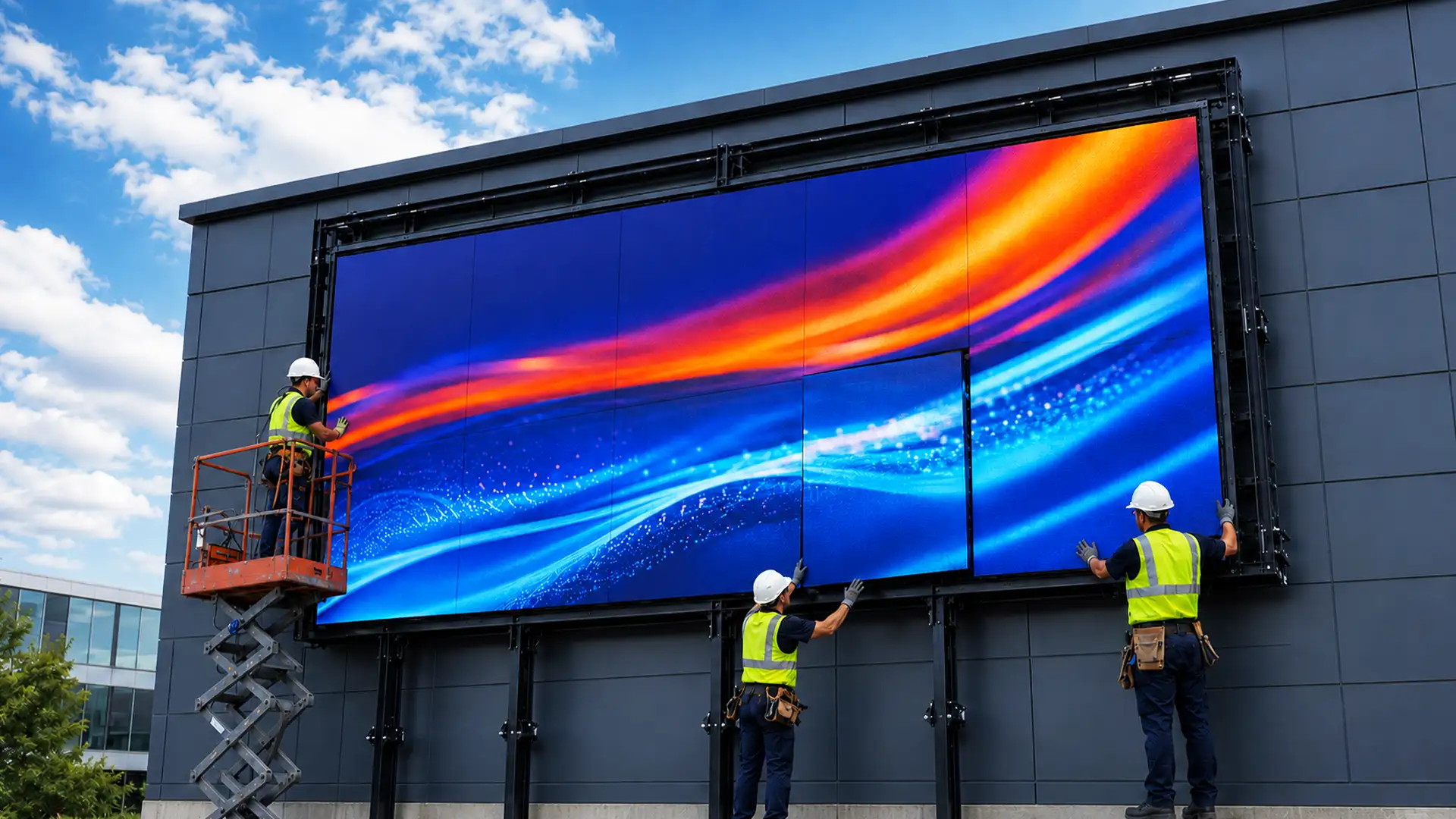
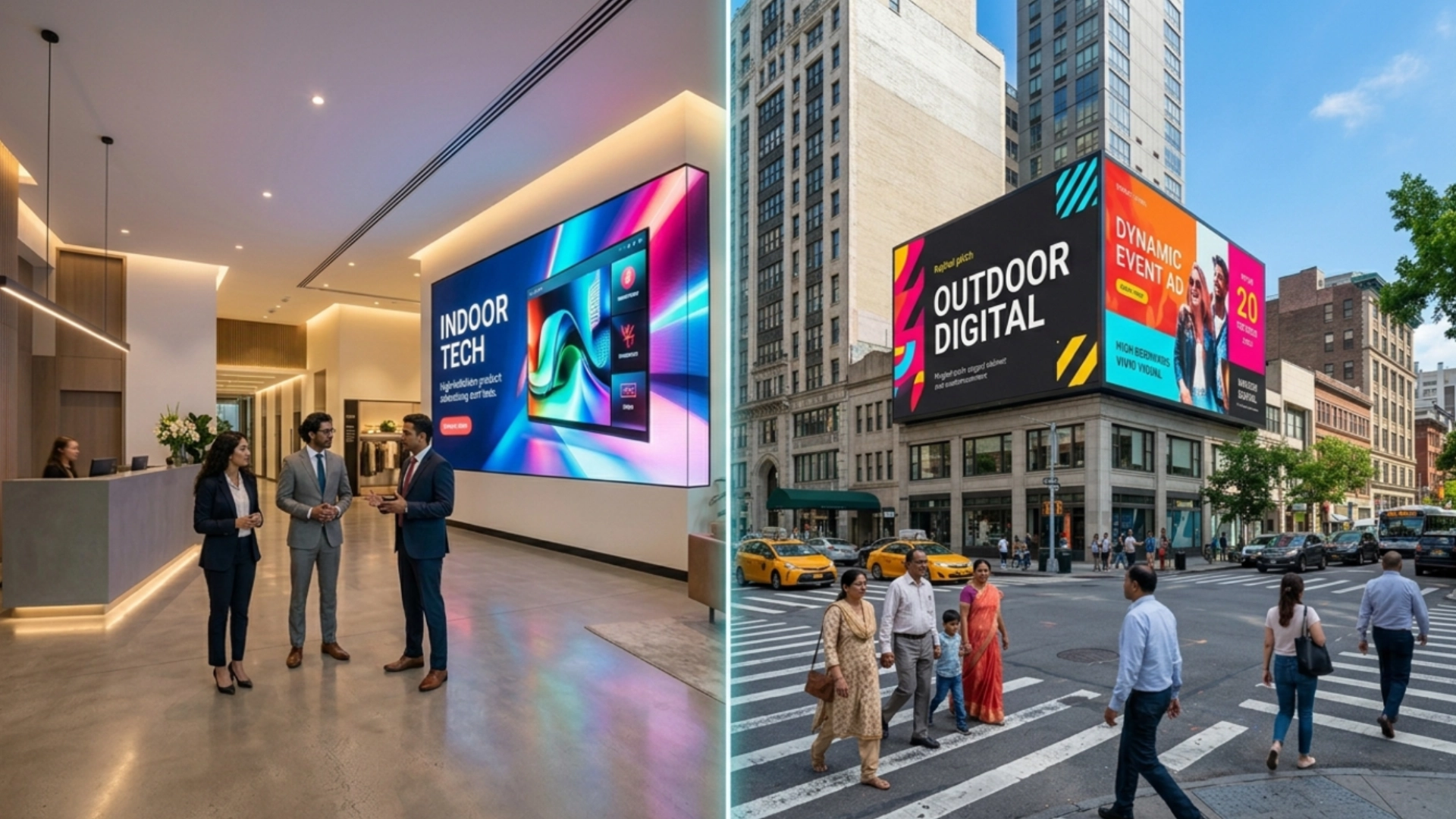
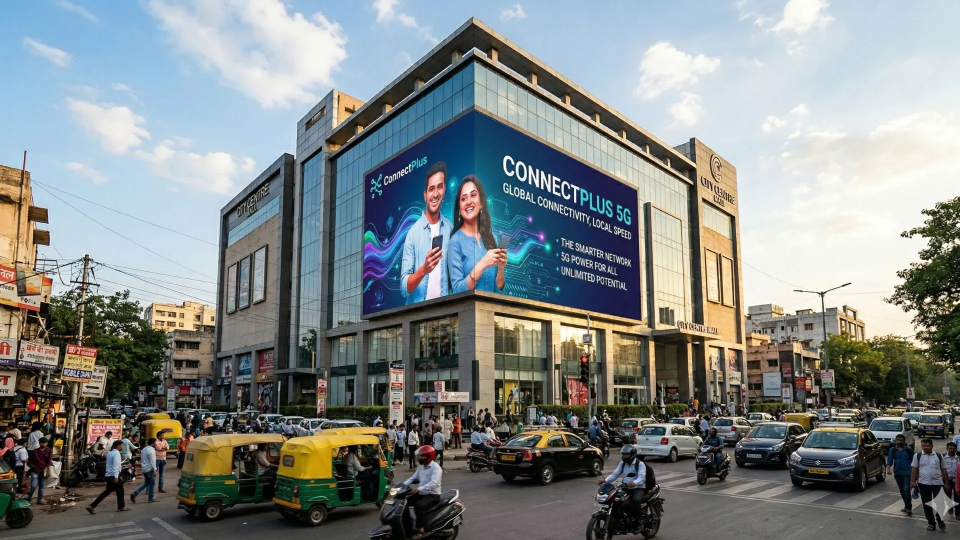
In the commercial sector, LED displays are being widely used outdoors for advertising, branding, and sharing information. Digital billboards, stadium screens and interactive displays in high-traffic areas capture audience attention almost immediately. But it also implies that the outdoor LED displays are installed outside for months and years, dealing with heat, UV rays, wind pressure, rain and cold weather. This makes weatherproofing essential for outdoor environments.
Moreover, if the brightness of the outdoor LED screen is not adjusted properly, it won’t look appealing, and even the audience might not notice the content it is showing. Hence, businesses must match technical choices to real conditions, viewing distance, local climate, and how often the screen will run.
At Xtreme Media, we have tailored this guide for brands and businesses, addressing two of the major concerns and how they affect your return on investment (ROI) over the years:
This article explores the limitations of traditional hoardings and explains how LED advertising screens address them to yield high return on investment for both brands and DOOH networks:
The Importance of Brightness for Outdoor LED Screen
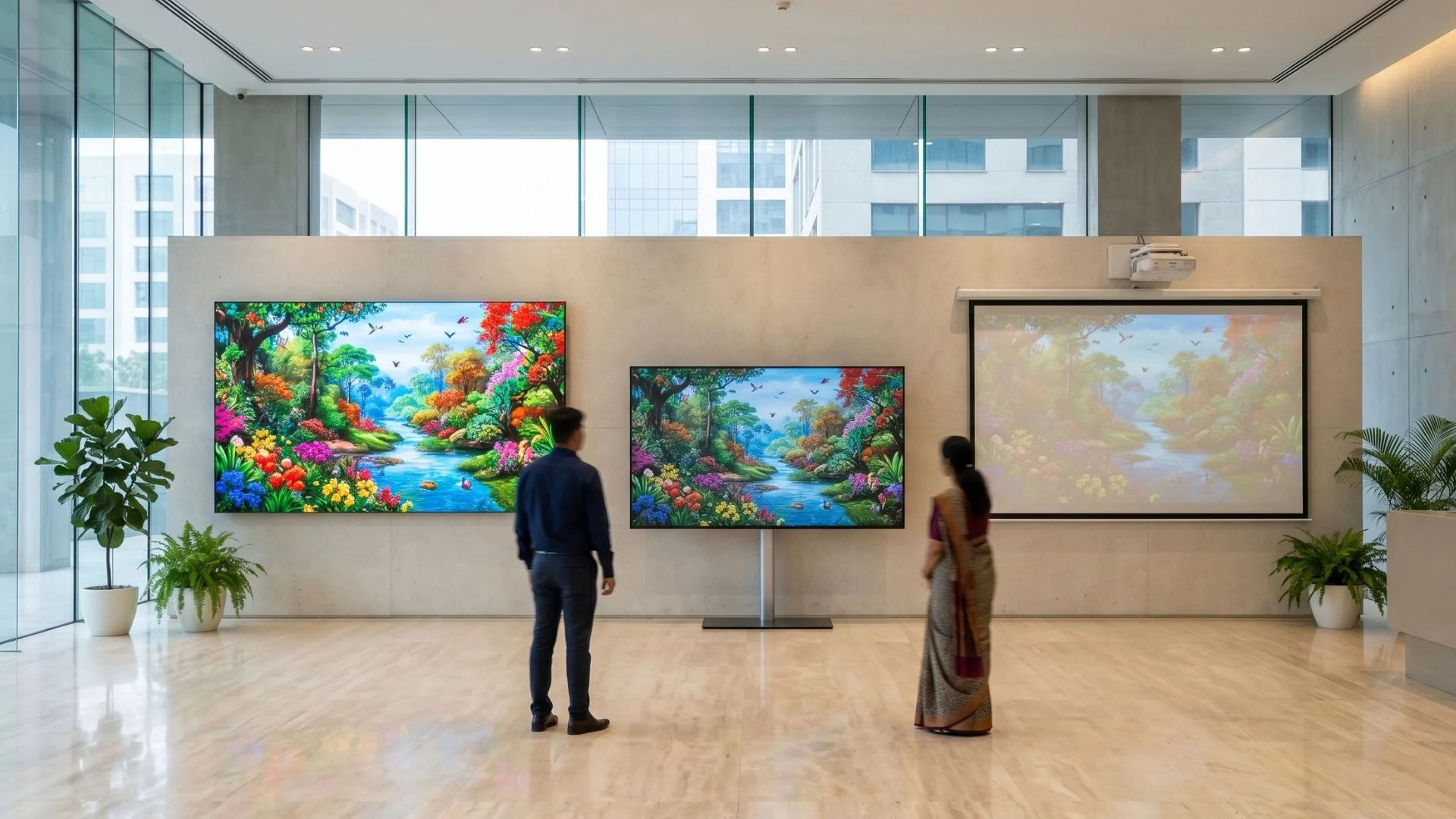
Brightness for outdoor LED screens is more about visibility. Sunlight can make the screen look dark or dull to the viewers. So, if you install a screen that is underpowered for daylight, the content loses contrast and colours wash out. This means no matter how good the content is or how much you spend on the content; it will not be clearly visible and reduce recall.
Correct brightness makes sure your message gets across every hour of the day. The brightness changes from morning to evening. So the LED screen brightness should be adaptable to match the daylight.
Recommended Brightness Levels for Outdoor Led Advertising Screens
Brightness is measured in nits (cd/m²). Outdoor LED displays generally require a minimum brightness of around 5,000 nits to remain clearly visible in daylight. Higher nits mean the screen can complement sunlight rather than getting washed out.
An ideal level of brightness for an outdoor screen goes up to 10,000 nits. It ensures greater visibility during broad daylight and the viewer can see the messaging from far away.
The Importance of Weatherproofing for Outdoor LED Screen
Weatherproofing is a decision-making factor for any outdoor LED display. When you install a screen outside, it must be able to handle water, dust, humidity, and heat changes without letting moisture or salt reach inside the screen. That is why you should always go for a reliable outdoor LED screen manufacturer. At Xtreme Media, we take into
consideration every detail, including cabinet design, sealed connectors, drainage paths and anti-corrosion finish. All our outdoor products are IP65 and IP66 rated.
IP ratings and what they mean
IP ratings are an indication of how well an outdoor LED screen can offer protection against dust and water. It comes in two digits. The first one defines protection against dust (0-6), while the second one covers water protection (0-9). For Outdoor LED Displays, the IP rating should be between these two:
- IP65: This screen is completely protected against dust and can withstand low-pressure water jets from any direction. IP 65-rated LED displays are often installed in cities, malls, and building façades.
- IP66: IP66 offers the same dust-tight protection but with stronger resistance to high-pressure water. They can withstand heavy rainfall, wind-driven rain, roadside spray, or frequent wash-downs. This makes them ideal for installation on highways, open digital billboards, etc.
Lifespan, Uptime and Real Return on Your Investment
Outdoor LED advertising screens are installed for their high visibility and communication. When we consider ROI, it is not just the initial cost but also the operating and maintenance expenses. A reliable screen with adaptive brightness and common cathode technology lowers electricity bills. High IP-rates screens can withstand the harsh weather, which increases their lifespan and reduces replacements and maintenance costs. Front-access modules cut labour time for repair, so the screen can be fixed faster.
Factors that Affect the Life Span of an Outdoor LED Display
Manufacturers usually quote 50,000–100,000 hours as LED display life. However, the range shifts with use, for instance:
- Running at peak brightness,
- Exposed to heat and dust,
- Brightness settings,
- Thermal management,
- Power stability, and
- Maintenance frequency.
Choosing the Right Outdoor LED Screen Based on Brightness and Weatherproofing
Now that you know how brightness and weatherproofing work and their importance, we will guide you through our outdoor LED displays, explaining which one suits which outdoor environment the most:
Iris Media Façade is an ideal choice for building exteriors and integrates seamlessly with the architectural infrastructure. Iris outdoor series LED displays can be installed at the store's exteriors, which also makes the interiors visible to the visitors due to the screen's transparent nature.
Nyx OD on the other hand operates in the 5,000 – 6,000 nits range which helps the content remain visible throughout the day. This LED display comes with IP65 rating which makes it robust for surviving the busy city outdoor environment. Earth series is considered the king of outdoor LED displays. The common cathode technology of this series results in longer lifespan of the screens. Moreover, these displays have brightness up to 10,000 nits which make the content very clear even in direct sunlight. IP66 rated, the outdoor screens are engineered to fight Indian weather conditions. These LED displays are ideal for applications such as highways, large billboards, building exteriors, retail setups etc.
Purchasing an outdoor LED display is a long-term decision. While there are several factors to consider, brightness and weatherproofing are two of the most important factors that strongly influence your ROI. Therefore, it is crucial that you understand what the product has to offer, and about its specifications depending on your application.
Closing Thoughts
Purchasing an outdoor LED display is a long-term decision. While there are several factors to consider, brightness and weatherproofing are two of the most important factors that strongly influence your ROI. Therefore, it is crucial that you understand what the product has to offer, and about its specifications depending on your application.
FAQs
Q.1. Are LED screens waterproof?
Outdoor LED screens are not fully waterproof. They come with IP65 or IP66 ratings, which offer high protection against dust, rain, splashes, and harsh outdoor weather conditions.
Q.2. How to waterproof an LED panel?
Waterproofing involves sealed cabinets, IP-rated connectors, proper drainage design, and corrosion-resistant finishes. Also, choose LED panels with certified IP65 or IP66 protection.
Q.3. What is the lifespan of an LED screen?
Most outdoor LED screens last between 50,000 and 100,000 hours, depending on brightness usage, heat exposure, power stability, and regular maintenance practices.
Q.4. How many nits of brightness are good for outdoor LED screens?
Outdoor LED screens typically require at least 5,000 nits, with higher ranges of 7,000–10,000 nits needed for billboards, highways, and direct sunlight exposure.
Q.5. Is 1000 nits bright enough outside?
No, 1,000 nits is insufficient for outdoor use. Under sunlight, the screen will look dull and washed out, which can reduce its visibility, contrast, and overall message recall.